
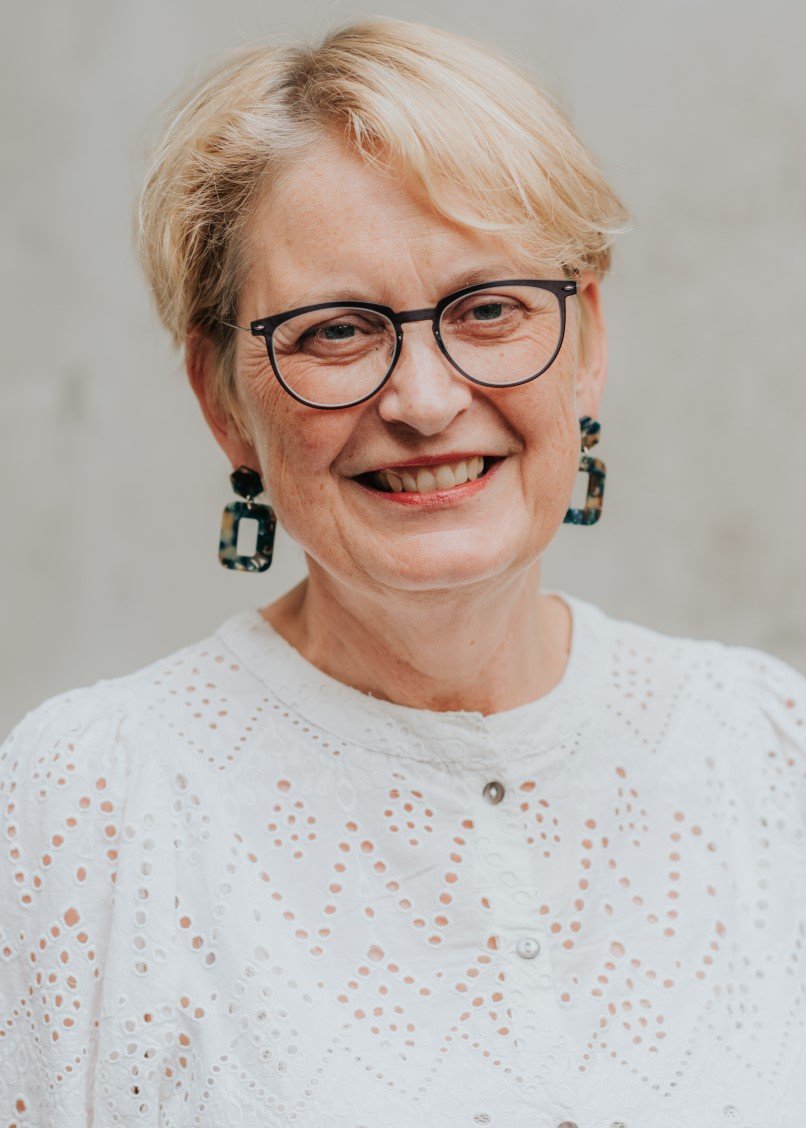
Cisca Wijmenga
Cisca Wijmenga (picture: Annick Elzinga) is the Lodewijk Sandkuijl Professor of Human Genetics at the University of Groningen and the University Medical Center Groningen. She was Rector Magnificus of the University between September 2019 and September 2023. She studied biology at the University of Groningen and received her PhD Cum Laude from Leiden University in 1993 for a thesis entitled: ‘Facioscapulohumeral muscular dystrophy: from genetic mapping towards gene cloning’, after which she left as a postdoc to the National Institute of Health (NIH) in the US. In 1999, she became associate professor of medical genetics at Utrecht University Medical Centre. In 2003, she became professor of human genetics at Utrecht University. In 2007, Wijmenga transferred to UMC Groningen, where she became head of the Department of Genetics and also professor of human genetics at the University of Groningen. From 2007 to 2011, Wijmenga was a member of the NWO Investment Committee NWO Large. In 2012, Wijmenga was appointed a member of the Royal Netherlands Academy of Arts and Sciences. In 2013, she became a member of the Academia Europaea. From 2014 to 2018, she was director of BBMRI-NL (NL-Biobank Research Facility). During that period, she was one of the four winners of the Dutch Spinoza Prize (2015). Currently, she is also a council member of the Advisory Council for Science, Technology and Innovation (AWTI) and is a supervisor of Hanzehogeschool and Leiden University.
Chantal Kemner
Chantal Kemner has been a professor of Biological Developmental Psychology in the Department of Functional Theory at Utrecht University since 2009. She was previously a professor at Maastricht University and Utrecht University Medical Centre. Her research focuses on the relationship between visual perception, information processing in faces and social development, especially in infancy. Chantal Kemner is principal investigator of YOUth, a large-scale child development study that is at the forefront of FAIR and secure human data. She is a VIDI and VICI laureate, and main applicant of the gravitation Consortium Individual Development (CID).
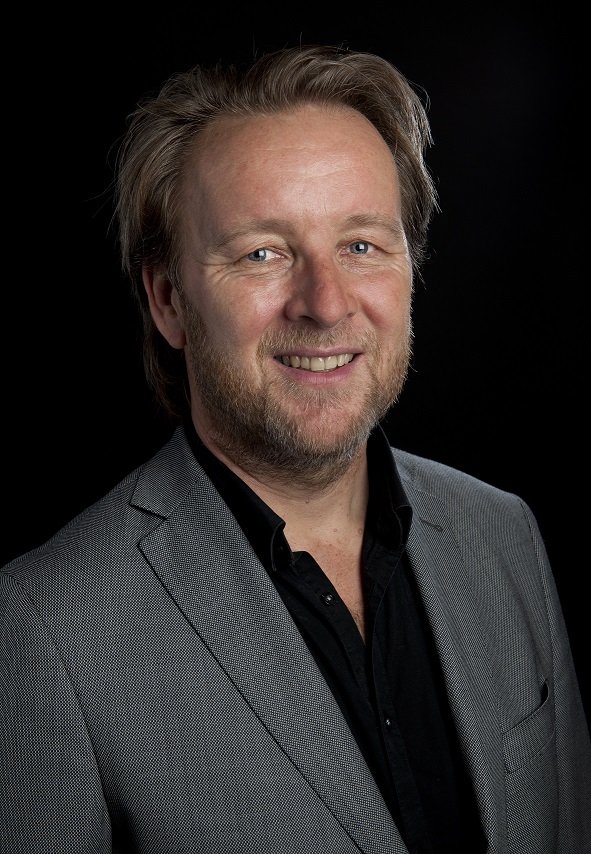
Piek Vossen
Piek Vossen is professor of Computational Lexicology at VU University Amsterdam, head of the Computational Lexicology & Terminology Lab (CLTL), co-founder and co-president of the Global WordNet Assocation (GWA). In 2013, he won the prestigious Spinoza Prize from Dutch Research Council (NWO) and in 2015 he was honoured by the Royal House as ‘Knight of the Order of the Dutch Lion’. He is also a member of the Royal Netherlands Academy of Arts and Sciences (KNAW) and the Royal Holland Society of Sciences (KHMW). Piek Vossen studied Dutch and General Linguistics at the University of Amsterdam and obtained his PhD (cum laude) in Linguistics on Computational Lexicology and Lexicography. He has been involved in many national and international projects, including: Acquilex, EuroWordNet, Meaning, Cornetto, DutchSemCor, KYOTO, NewsReader and Hybrid Intelligence. For many years, he combined his academic career with his work in industry. He worked at Sail Labs (1999-2001) and as C.T.O. of Irion Technologies B.V. (2001-2009), where he developed multilingual language technology for many different languages, such as multilingual semantic search, text classification and dialogue systems in natural spoken language.
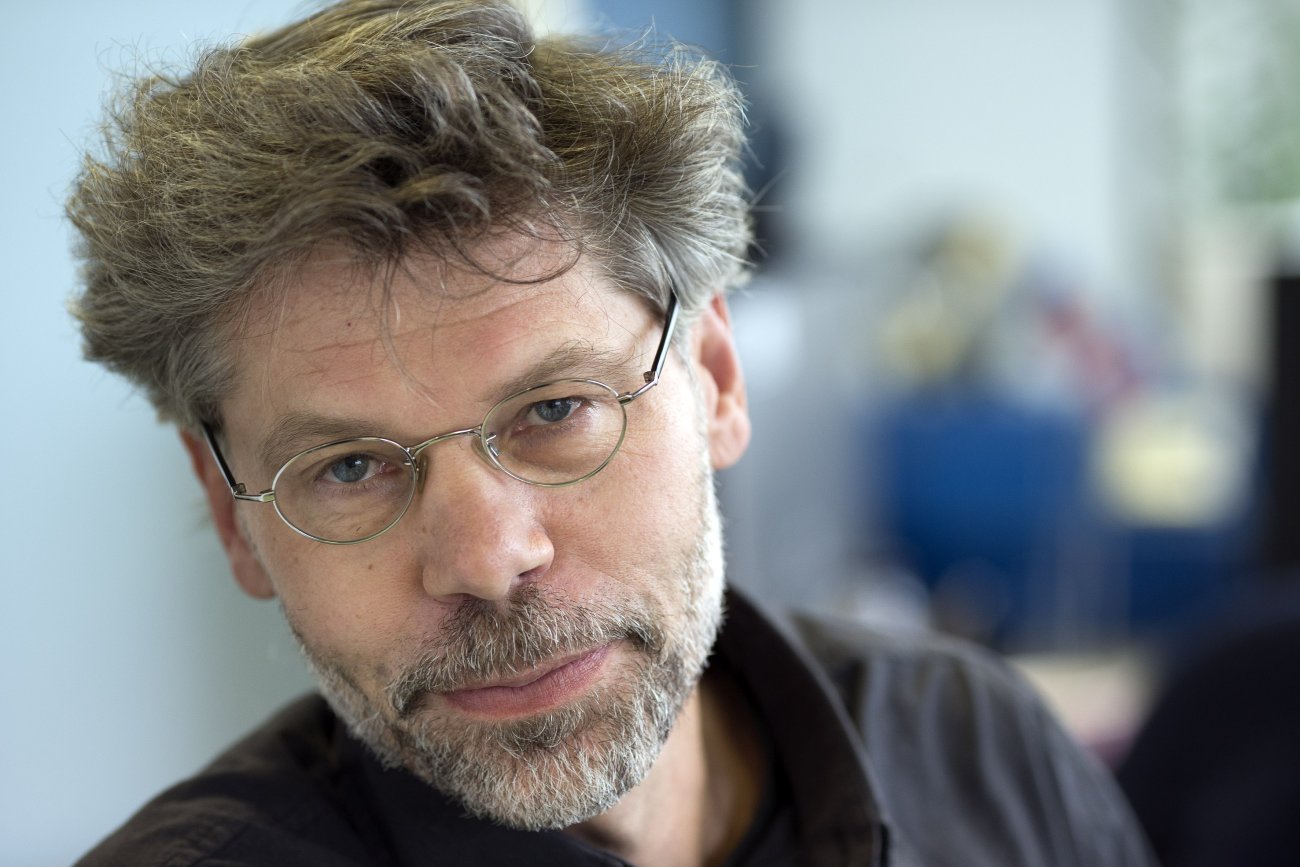
Roland Kanaar
Roland Kanaar is professor of Molecular Genetics and head of the Molecular Genetics Department at Erasmus University Medical Centre. His research focuses on the molecular mechanisms and biological and physiological relevance of the DNA damage response. His work integrates interdisciplinary approaches from molecules to cancer patients. His research group uses fundamental insights into how the DNA damage response works and how it can be manipulated to design and research new cancer treatments. In 2002, he was elected to the European Molecular Biology Organisation (EMBO) and in 2013, he was elected to the Royal Netherlands Academy of Arts and Sciences (KNAW). In 2020, his research team won the ‘Ammodo Science Award for groundbreaking research’ in the natural sciences.
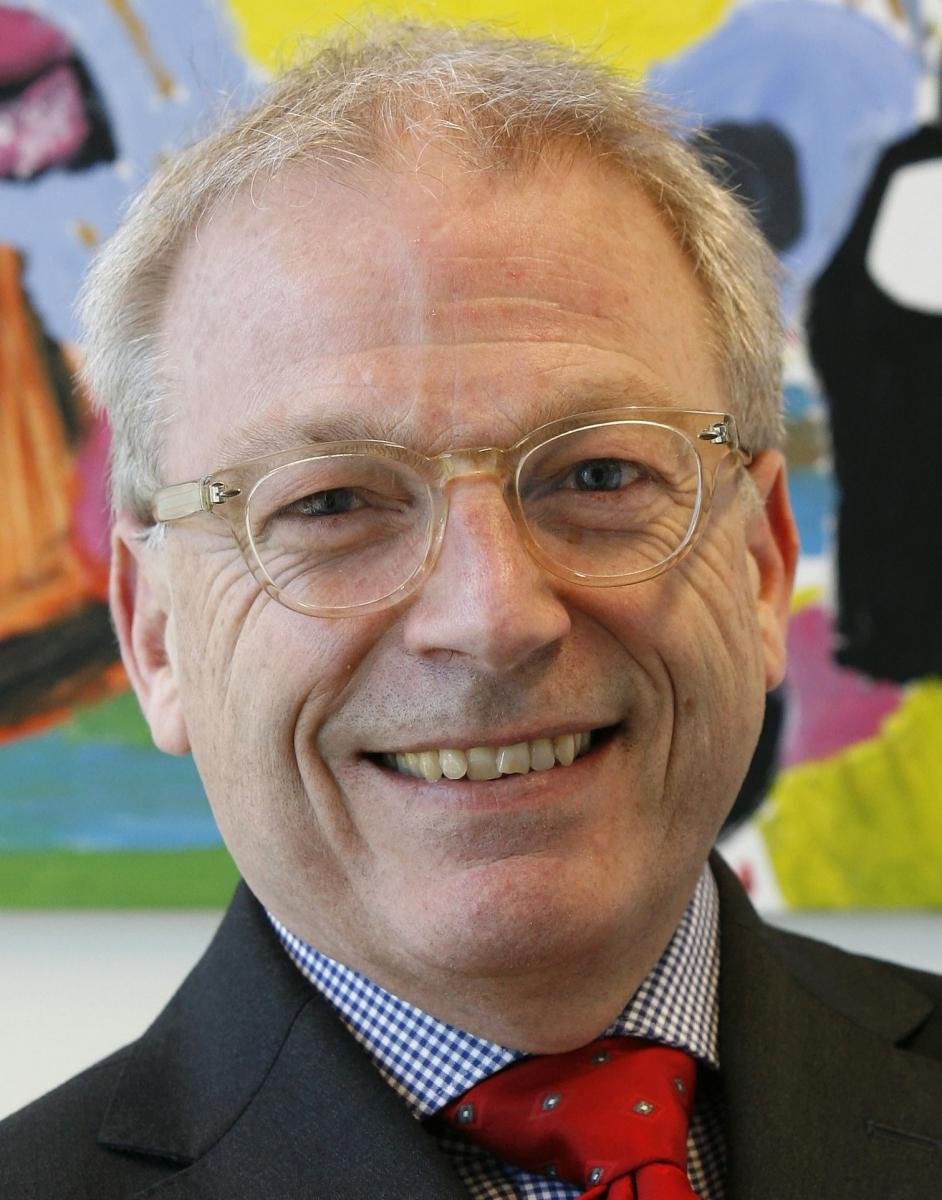
Pieter R. Luijten
Peter R. Luijten is professor emeritus of functional medical imaging at Utrecht University Medical Centre and vice-dean of the Strategic Theme Life Sciences in Utrecht. He studied physical and theoretical chemistry in Amsterdam. After receiving his PhD (1984, Amsterdam and San Diego), he became a research scientist at Philips, where he was involved in the development of MRI systems. From 2000 to 2005, he worked in the US setting up public-private partnerships with many leading academic medical centres. In 2007, he was appointed Chief Scientific Officer of the Centre for Translational Molecular Medicine, a position he held together with his academic appointment at Utrecht University. He was a member of the executive Board of the International Society of Magnetic Resonance in Medicine and received the European Magnetic Resonance Award in 2002.
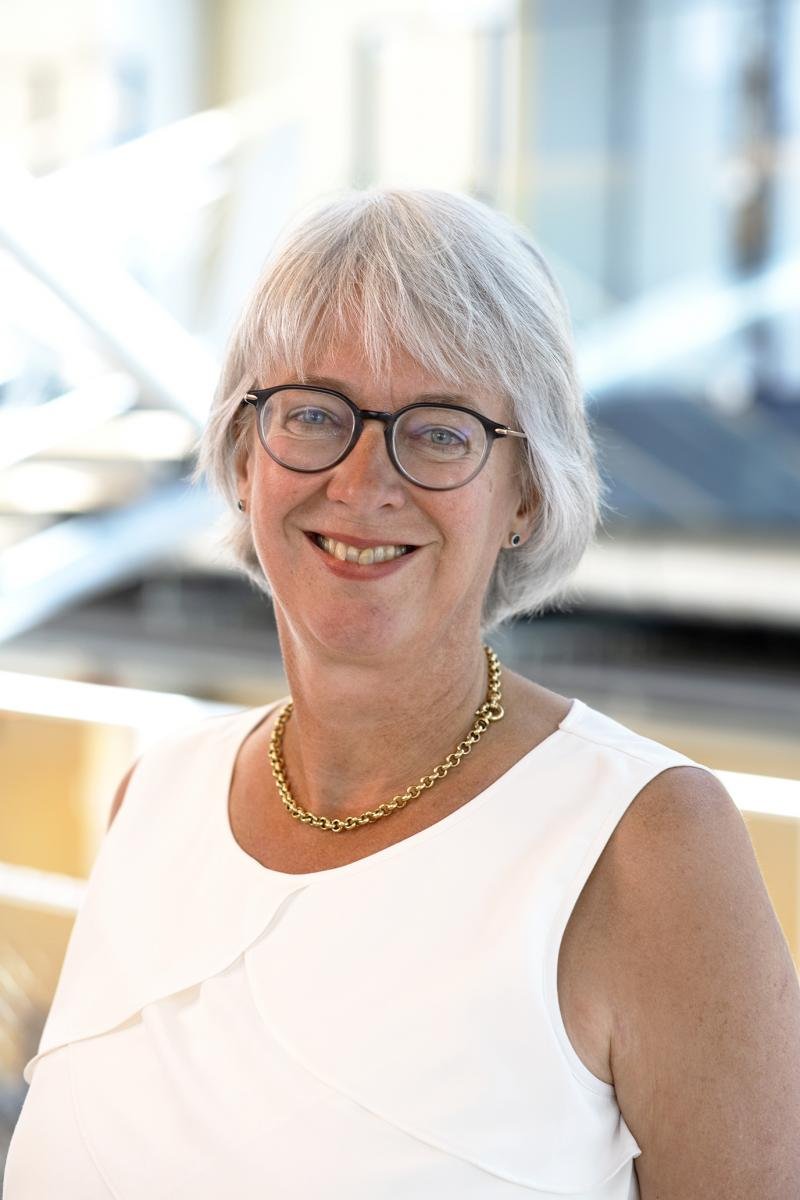
Annemarie van Wezel
Annemarie van Wezel (MSc Biology UU, PhD environmental chemistry and toxicology UU) is an environmental scientist with a specialisation in chemical and ecological water quality. She works mostly in interdisciplinary projects combining environmental science with chemistry, earth sciences, ecology, law, innovation and engineering sciences. She is interested in the interface between science and its implementation in policy and practice. She holds the chair “Environmental Ecology” at the UvA and is scientific director of the Institute for Biodiversity and Ecosystem Dynamics. She is also a member of the Health Council, the Board for the Authorisation of Plant Protection Products and Biocides, and the RIVM Supervisory Committee, among others.
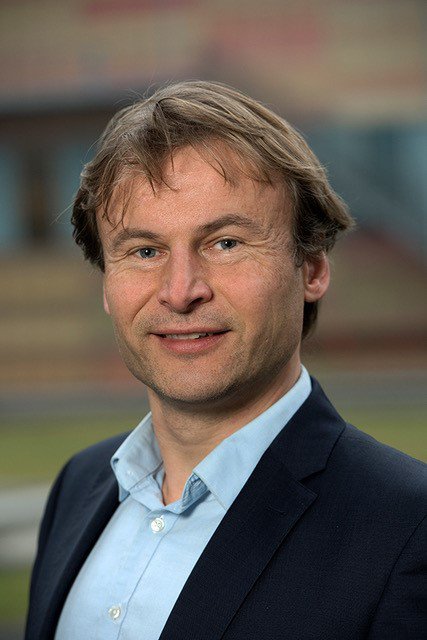
Patrick Decowski
Patrick Decowski is a professor of experimental astroparticle physics. He received his PhD from the Massachusetts Institute of Technology in 2001 on the first Relativistic Heavy Ion Collider (RHIC) data using the PHOBOS detector. He then moved to UC Berkeley as a postdoc and later staff member to study neutrino properties with the KamLAND reactor neutrino experiment. Patrick Decowski moved to Amsterdam in 2009 to join the Dutch subatomic physics institute Nikhef, where he founded the Dutch dark matter experimental group. His group is involved in the XENON dark matter experiment, the future DARWIN/XLZD detector and the KamLAND-Zen neutrinoless double beta decay experiment. He holds a joint position at the University of Amsterdam, where he is a faculty member in the research priority area GRAPPA astroparticle physics. He is an expert on neutrino measurements and the experimental search for dark matter of particles.
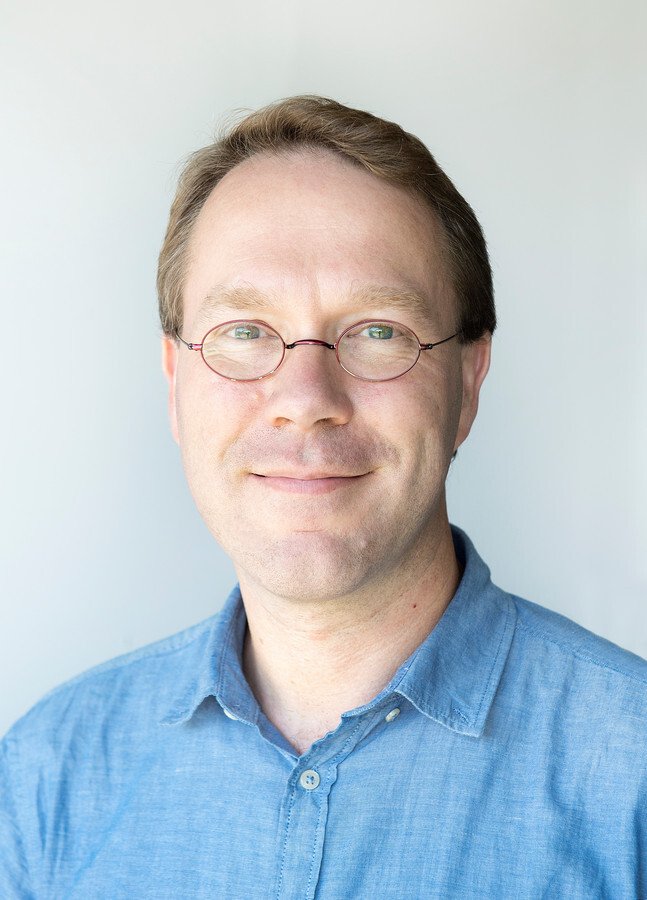
Gijs Nelemans
Gijs Nelemans is professor of gravitational wave astrophysics at Radboud University. He holds a visiting appointment at SRON. Nelemans received his PhD from the University of Amsterdam in 2001, after which he did a postdoc at the University of Cambridge. In 2004, he returned to the Netherlands for a postdoc at and Radboud University. He received several grants including a Veni in 2004, a Vidi in 2008 and a Vici in 2016. Nelemans was involved in the first detection of gravitational waves in 2015 and one of the editors of the paper on the astrophysical interpretation of the detection. Nelemans was head of the department of astronomy at Radboud University from 2017 to 2021. He has also been extraordinary professor of high-energy astrophysics at KU Leuven since 2011. Nelemans studies the evolution of binary stars and sources of gravitational waves such as for the LIGO and Virgo detectors and the LISA space mission. Nelemans is one of the leaders of the LISA-NL consortium.
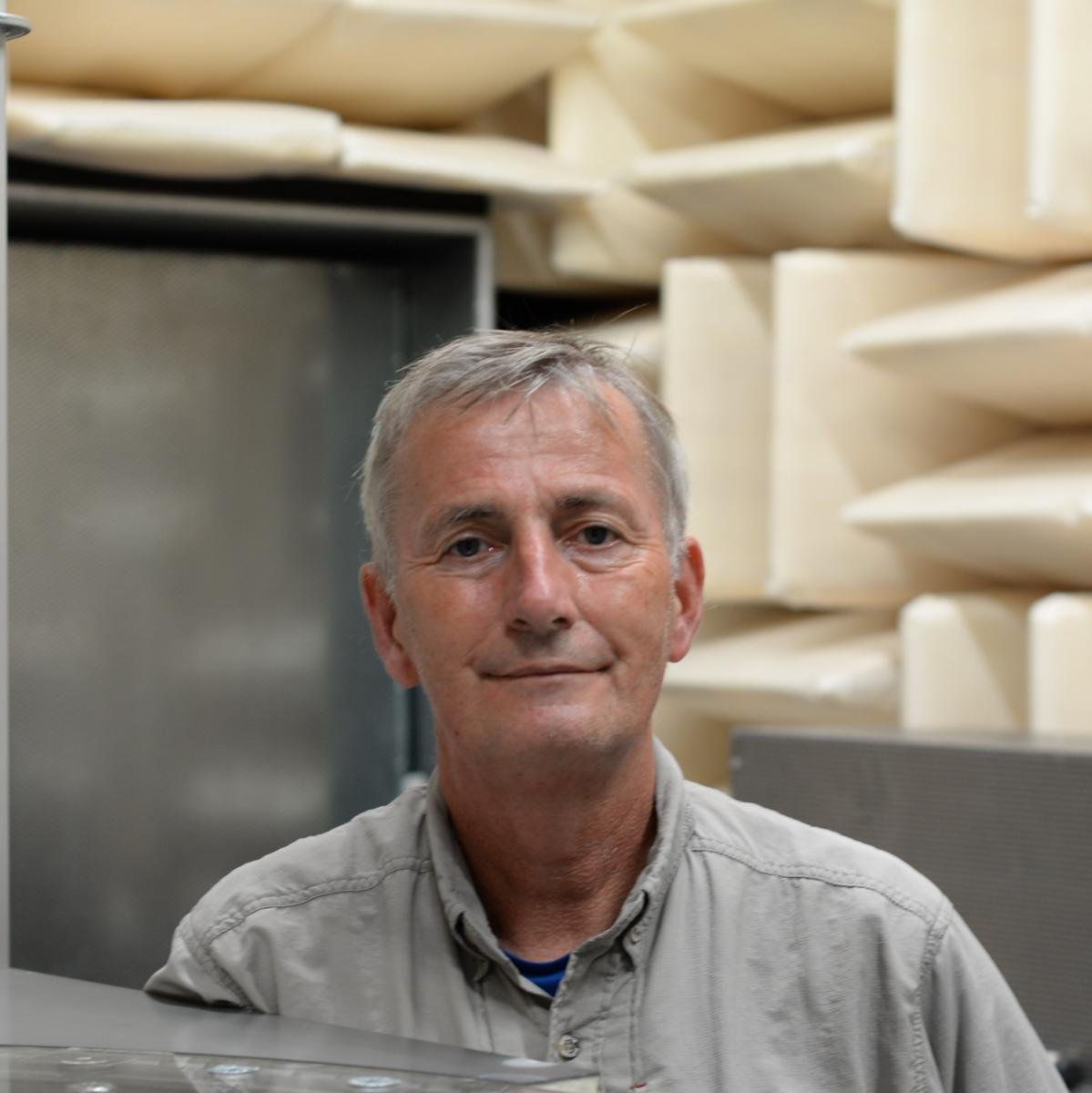
Kees Venner
Kees Venner is professor of Engineering Fluid Dynamics at the University of Twente's Faculty of Engineering Technology. Research topics of his group are: Rotating flow machines, computational fluid dynamics algorithms and design, aeroacoustics and aerodynamics, biomedical fluid mechanics and fluid mechanics of functional materials. The group has specialised experimental facilities such as an aeroacoustic (silent) wind tunnel, a supersonic wind tunnel and a laboratory for thin layer flows and in-air microfluidics research. Until October 2023, he led the Me-MSc specialisation Energy & Flow. Currently, he still leads the Me-MSc specialisation ‘Aeronautics’ and the dual course Mechanical Engineering (UTwente) and Aeronautical Engineering (ITA, Brazil). He received his PhD from the University of Twente (1991) in Thin layer flow/Lubrication and Multigrid/Multilevel methods. Between 1992 and 2002, he was a visiting scientist and postdoc at the Weizmann Institute of Science, Rehovot, Israel, and at Imperial College, London, UK. Following appointments as associate professor and senior lecturer, he became professor of Engineering Fluid Dynamics in 2014. Between 2012 and 2020, he combined an academic position with a position as senior visiting scientist at SKF RTD Houten, the Netherlands. Kees Venner has more than 30 years of experience in theoretical/experimental and applied research and leading research projects in various fields in fluid mechanics.
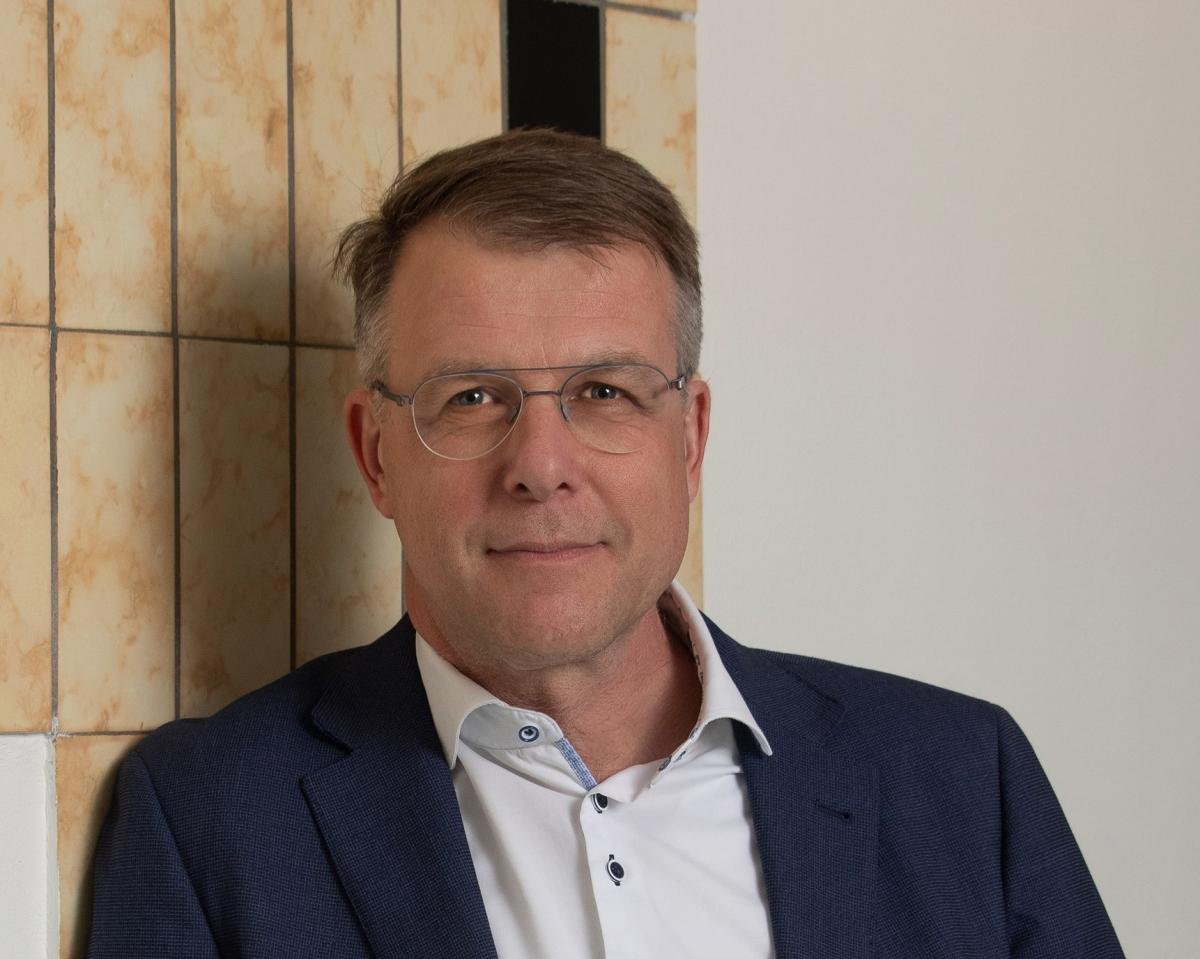
Bas Buchner
Bas Buchner is Managing Director of the MARIN (Maritime Research Institute Netherlands). After studying Maritime Technology at Delft University of Technology, he started there in 1991 as Project Manager. In 2002, alongside his work, he obtained his PhD on the topic “Green Water Loading on Ship Type Offshore Structures” (TU Delft). He was Visiting Professor at the University of Newcastle upon Tyne and wrote more than 50 papers in the field of Offshore hydrodynamics. In his role as Manager Offshore (2000-2010), he founded the Renewable Energy Team (RENT). From 2011, he has been Managing Director. Under his leadership, the new MARIN Strategy “Better Ships, Blue Oceans” was developed, focusing on sustainability and safety of shipping. Bas Buchner is a member of the Executive Board of the Netherlands Maritime Land (NML) and chairman of the NML Innovation Council and the TKI Maritime within the Top Sector Water and Maritime. From 2014-2016, Bas Buchner was a board member of NIOZ (Royal Netherlands Institute for Sea Research). He currently chairs the TO2 Federation of Applied Research Organisations (Deltares, MARIN, NLR, TNO, WUR).
Franciska de Jong
Franciska de Jong has been professor of e-Research for the Humanities at Utrecht University since September 2015 and former director of CLARIN ERIC, the European research infrastructure for language data. Since 2023, she has been a member of the Open Science NL Steering Committee and chair of the NWO Advisory Committee on Research Digitisation. Until 2022, she was professor of language technology at the University of Twente and director of the Erasmus Studio at Erasmus University in Rotterdam. Her research area includes search technology, text mining, the accessibility of cultural heritage collections, especially spoken audio archives and interview collections, and e-research in general. She was a member of the General Board of NWO (2008-2016) and the Royal Library (2009-2019). Until 2025, she leads the work package of Horizon Europe project EOSC Focus, on the sustainability of the European Open Science Cloud.
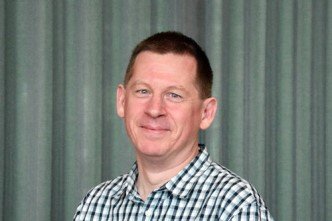
David Groep
David Groep is group leader of the Physics Data Processing (PDP) programme on advanced computing at Nikhef and associate professor of e-Infrastructure at Maastricht University. His research interests include trust, identity and security for multi-domain ICT infrastructures, collaborative models for authentication and authorisation, and scaling behaviour of resource-balanced operational e-infrastructures, including networks, storage and computing systems - and how data-intensive research can be used effectively. David Group is president of EUGridPMA and was the founder of the Interoperable Global Trust Federation IGTF in October 2005. He is a board member of the National e-Infrastructure. He leads policy and best practice harmonisation activities in the AARC community and AEGIS, is a member of the steering committee for the WISE Information Security for E-Infrastructures collaboration and participates in the EOSC AAI Trust and Identity and AAI design and trust and AAI developments in European Research Infrastructures, where he coordinates operational security and trust activities in the European Open Science Cloud. He holds a PhD in experimental nuclear physics from Utrecht University.